Pre-retirees (aged 55-64) and seniors (aged 65+) represent two key consumer groups with unique automotive preferences.
In the competitive landscape of automotive sales, understanding the distinct preferences and behaviors of different demographic segments is crucial for success. This blog explores detailed data insights for these segments and how industries can leverage them for targeted marketing, product development, and service offerings.
Pre-Retirees (55-64): Practicality and Long-Term Value
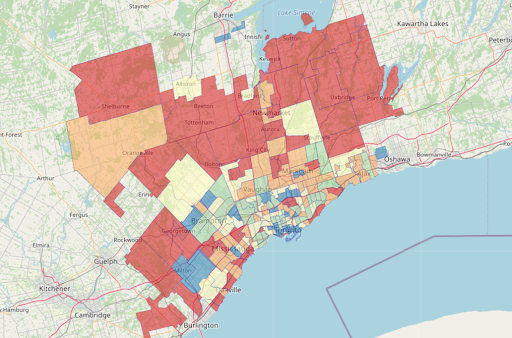
The image illustrates the concentration of individuals aged 55-64 and older who own cars, relative to the overall population in each area. Captured from Polaris Intelligence.
Key Insights:
- Vehicle Ownership: Pre-retirees are 17% more likely to own four or more vehicles, though ownership of fewer vehicles aligns with the average. They show a strong preference for larger cars, especially SUVs, which are valued for their balance of comfort and economy. Premium cars are notably less favored, and they are 35% less likely to choose European cars.
- Purchase Model Year: Pre-retirees tend to drive older vehicles, particularly those 8-9 years old. Many purchased their current car five years ago, reflecting a focus on long-term ownership rather than frequent upgrades.
- Leasing Preferences: This group is 40% less likely to lease cars, indicating a preference for ownership. They are cautious with their spending, favoring midrange cars priced between $30,000 and $40,000, while pricier options are less common.
- Research and Influence: Pre-retirees are less likely to engage in extensive research before purchasing a car. However, those who do are somewhat influenced by dealership ads, suggesting that targeted, practical advertising could be effective.
- Vehicle-Fuel/Engine Type: Interest in hybrid vehicles is growing among pre-retirees, though they are 55% less likely to opt for electric cars and 40% less likely for hybrids, indicating a conservative approach to new technology.
- Maintenance and Services: Besides regular scheduled maintenance, pre-retirees are less likely to perform additional car upkeep. They typically drive between 0-20,000 km annually, with a significant portion driving 15,000-20,000 km.
Psychographics: Low across the board, these psychographics suggest that pre-retirees view their vehicles primarily as functional necessities rather than expressions of identity.
Summary: Pre-retirees tend to prioritize practicality and long-term value over luxury and status in their automotive choices. Their preference for larger, older vehicles and aversion to premium and European models reflect a focus on comfort and economy. With a declining interest in new technologies and car features, they are less engaged with their vehicles, treating them more as functional necessities than expressions of identity. Their lower likelihood of leasing or planning future purchases suggests a cautious, conservative approach to car ownership as they prepare for retirement
How Industries Can Use This Data:
- Automotive Manufacturers: Focus on marketing SUVs and larger vehicles that emphasize comfort, practicality, and long-term value. Highlight features that resonate with pre-retirees, such as reliability, fuel efficiency, and low maintenance costs.
- Dealerships: Offer attractive financing options for older, well-maintained used cars, particularly those around five years old. Since this group is less likely to lease, promoting ownership benefits and long-term savings will appeal to them.
- Insurance Companies: Tailor insurance products to meet the needs of pre-retirees who drive less frequently. Policies offering discounts for low mileage and regular maintenance could be particularly attractive.
Seniors (65+): Reliability and Safety Above All
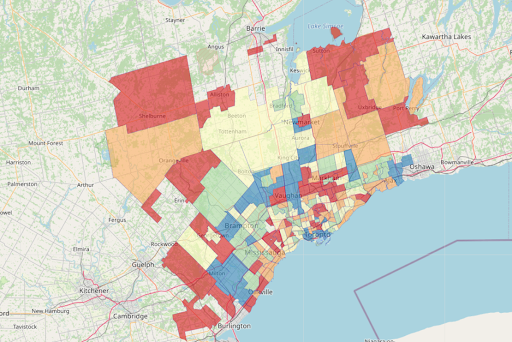
The image illustrates the concentration of individuals aged 65 and older who own cars, relative to the overall population in each area. Captured from Polaris Intelligence.
Key Insights:
- Vehicle Ownership: Seniors are 13% more likely to own one vehicle and 20-30% less likely to own either no vehicles or more than three. They prefer midsize and large cars, with a strong inclination towards Korean brands and a significant aversion to premium vehicles.
- Purchase Model Year: Seniors tend to drive older cars, typically those over nine years old. They are unlikely to have purchased a vehicle in the last two years, reflecting a conservative approach to car buying.
- Leasing Preferences: Like pre-retirees, seniors prefer buying over leasing and are more likely to pay with cash or trade in their old vehicle.
- Car Research Method: Seniors conduct minimal research before purchasing a car, often relying on dealership visits or consumer guides. They prioritize safety and ease of access over technological advancements.
- Engine Type: Traditional gas engines are overwhelmingly preferred, with a strong dislike for other engine types, such as electric or hybrid vehicles.
- Vehicle Cost: Seniors are more likely to own low to mid-cost vehicles priced between $15,000 and $40,000, avoiding more expensive options.
- Future Purchase Intentions: Seniors are less likely to buy a car in the next year, reflecting their focus on maintaining their current vehicles rather than acquiring new ones.
- Maintenance and Services: Seniors are diligent about regular maintenance, particularly on older cars, but do less cosmetic work. They are most likely to have roadside assistance and drive fewer than 10,000 km annually spending less on gas.
- Psychographics: While most psychographics are low, seniors show a notable hesitancy towards autonomous vehicles, highlighting their preference for familiar, reliable technology.
Summary: For seniors, vehicle ownership is more about necessity and practicality than luxury or status. Their preference for older, midsize cars and traditional gas engines reflects a focus on reliability and familiarity. As they drive less and are more cautious with their spending, their automotive choices tend to be conservative, avoiding unnecessary expenses like premium features or new models. This age group’s emphasis on safety, regular maintenance, and roadside assistance highlights their concern for staying mobile and independent while managing the limitations that come with aging.
How Industries Can Use This Data:
- Car Rental Services: Develop short-term rental packages tailored to seniors who may need a vehicle occasionally but prefer not to own one. Market these packages as convenient options for day trips, special occasions, or visits to family.
- Insurance Companies: Introduce low-mileage discounts and pay-per-mile insurance plans that cater to seniors’ reduced driving habits. Additionally, offer non-driver insurance products for seniors who drive infrequently but still require coverage.
- Automotive Manufacturers: Promote vehicles that prioritize safety, reliability, and ease of access. Seniors are less interested in luxury or advanced tech features, so marketing should focus on practical benefits, such as low maintenance costs and dependable performance.
- End-of-Ownership Services: Dealerships and manufacturers can offer services aimed at helping seniors transition away from car ownership, especially when moving into a retirement home such as buyback programs or trade-ins for simpler, more practical vehicles. They can also provide consulting on alternative transportation resources.
Conclusion
The automotive preferences of pre-retirees and seniors are shaped by practicality, long-term value, and a focus on reliability over luxury or advanced technology. Industries can leverage these insights to create targeted marketing campaigns, develop products that align with these preferences, and offer services that cater to the specific needs of these demographic groups.
For advertisers and businesses looking to optimize their strategies, understanding these nuances is key to connecting with pre-retirees and seniors effectively. At Manifold, we specialize in data-driven insights that help companies tailor their offerings to specific market segments. Contact us today to learn how we can support your growth and enhance your marketing effectiveness.