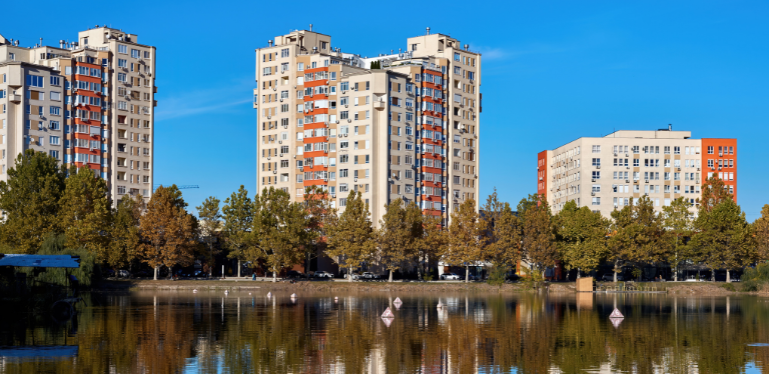
Ontario has experienced significant demographic changes over the past decade, with various neighborhoods undergoing transformations driven by population growth, urban development, and shifting cultural landscapes.
This blog highlights some of the key neighborhoods that have seen substantial changes in demographics, property prices, construction, business growth, and cultural dynamics.
Liberty Village, Toronto
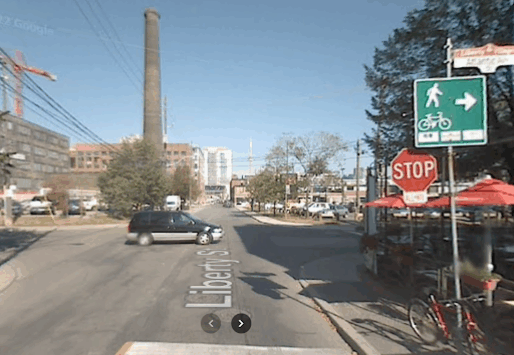
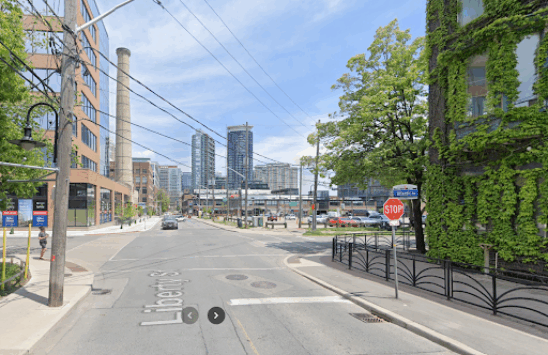
Atlantic Ave and Liberty St 2007 vs. 2021
Toronto, especially Liberty Village has transformed from an industrial area to a trendy, vibrant neighborhood with a cozy suburbia-in-the-city feel that attracts young professionals and tech workers.
Key Changes
- Demographic Shifts: The neighborhood has seen an influx of young, affluent residents, with a growing population of tech and creative industry workers. According to the 2021 Census, Liberty Village’s population grew by approximately 20% over the last decade.
- Property Prices and Rentals: Property values and rental prices have surged due to high demand. As of 2021, the average home price in Liberty Village is approximately $850,000, up from $560,000 in 2011.
- Construction and Development: Significant development of high-rise condos and office spaces, transforming the skyline. Notable projects include the Liberty Market Tower and other mixed-use developments. Concerns include: crampedness, lack of community infrastructure (centers, schools, libraries, green spaces) and rising traffic.
- Business Growth: Rise of tech startups and creative businesses, along with cafes, restaurants, and entertainment venues catering to the new demographic. The area has become a hub for innovation, with many coworking spaces and tech incubators.
Cultural Changes: Emergence of a vibrant social scene with numerous cultural and community events. Events like the Liberty Village Art Crawl and Farmers Market have become popular, reflecting the neighborhood’s cultural dynamism.
Downtown Kitchener
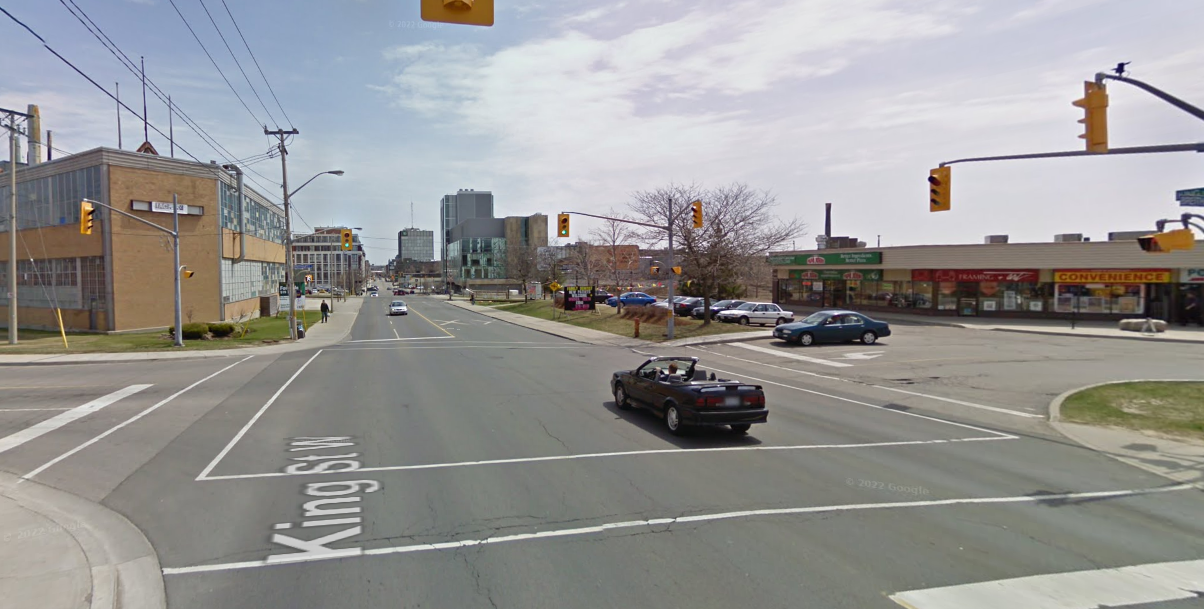
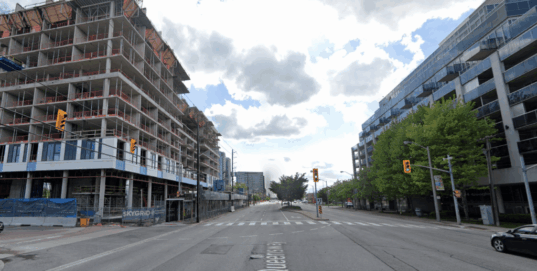
King St W and Moore Ave 2009 vs. 2021
Key Changes:
- Demographic Shifts: A notable increase in young professionals and tech workers, attracted by job opportunities in the tech sector. The population of Downtown Kitchener increased by about 15% from 2011 to 2021.
- Property Prices and Rentals: Rising property values and rental rates, with average home prices increasing from $300,000 in 2011 to $600,000 in 2021. Rental prices have also doubled in some areas causing great concern and are expected to keep rising.
- Construction and Development: New condo developments, office spaces, and the renovation of historical buildings. Developments like the Google office and the Catalyst137 IoT hub have put Kitchener on the map for tech innovation. Lack of affordable building.
- Business Growth: Growth in tech companies, co-working spaces, and startups, contributing to the economic revitalization. The area now hosts over 500 tech companies, including major players like Google and Communitech. Close proximity to The University of Waterloo, Laurier and Conestoga College who contribute educated skills and start-ups to the area.
Cultural Changes: A richer arts and culture scene with new galleries, theaters, and public spaces, fostering a vibrant community. Events such as the Kitchener-Waterloo Multicultural Festival and the Kitchener Blues Festival highlight the area’s cultural diversity.
South Etobicoke
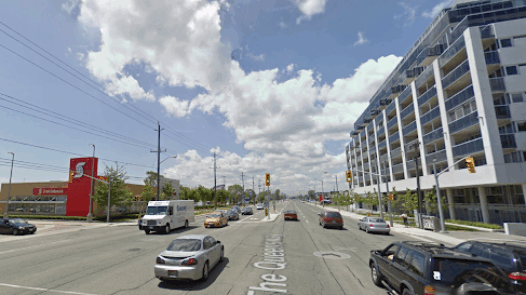
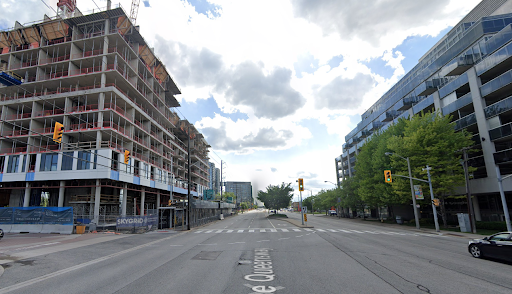
The Queensway 2009 vs 2024
Key Changes
- Demographic Shifts: An increase in young families, millennials and professionals seeking proximity to downtown Toronto while enjoying suburban amenities. The population of South Etobicoke grew by approximately 18% from 2011 to 2021.
- Property Prices and Rentals: Significant increase in property prices and rental costs, with average home prices rising from $400,000 in 2011 to $750,000 in 2021. Rental prices are predicted to substantially increase.
- Construction and Development: Vast variety of development of high-rise condos, particularly along the waterfront, enhancing the area’s appeal and providing buyer opinions. Volume of production equals competition among condos to give buyers the best price. Notable projects include the Eau Du Soleil, Empire Phoenix and Lago Condos.
- Business Growth: Expansion of new businesses, including boutiques, cafés, and dining options, catering to the diverse community. The area has seen a rise in boutique shops, cafes, and restaurants, contributing to its urban feel.
Cultural Changes: More diverse cultural offerings and community events, enriching the local lifestyle and attracting millennials. Events such as the Lakeshore Mardi Gras and the Mimico Festival highlight the area’s cultural vibrancy. Close proximity to downtown with good transit paths, keeping the connection to downtown Toronto businesses and activists without fully moving to suburbia.
Hamilton’s Downtown Core
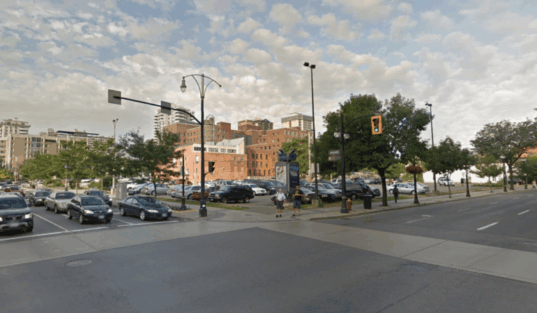

Hwy 8 and Bay St S 2009 vs 2023
Key Changes:
- Demographic Shifts: An influx of young professionals and families, drawn by affordable housing and urban amenities. The population of Hamilton’s Downtown Core grew by about 20% from 2011 to 2021.
- Property Prices and Rentals: Sharp increases in property values and rental prices, with average home prices doubling from $250,000 in 2011 to $500,000 in 2021. Rental prices have also risen significantly and are expected to continue.
- Construction and Development: Numerous new residential high-rises and commercial developments, modernizing the urban landscape. Projects like the Cobalt Residences, Royal Connaught and the McMaster Innovation Park have revitalized the downtown area.
- Business Growth: Growth in small businesses, cafes, and restaurants, contributing to the area’s economic resurgence. The area has seen a surge in artisanal shops, craft breweries, and farm-to-table restaurants. However, foot traffic during the work day in the city’s core has dropped about 20% since the pandemic.
Cultural Changes: A richer cultural landscape with new art galleries, music venues, and festivals, enhances the community’s vibrancy. Events such as the Hamilton Fringe Festival and Supercrawl have become staples in the cultural calendar. However, the city faces stress to address the needs of the large vulnerable population who are still struggling since the pandemic. Higher work-from-home rates equal “youthification” of downtown as workers choose to live there for the amenities and cafes to work remotely from.
Barrie’s South End


Big Bay Point Rd and Pine Dr 2009 vs 2023
Barrie’s South End has seen rapid suburban growth, attracting young families and commuters.
Key Changes:
- Demographic Shifts: An increase in young families and commuters, drawn by more affordable housing and suburban amenities. The population of Barrie’s South End grew by approximately 25% from 2011 to 2021.
- Property Prices and Rentals: Steady rise in property prices and rental costs, with average home prices rising from $350,000 in 2011 to $650,000 in 2021. Rental prices have also increased.
- Construction and Development: New residential developments, schools, and shopping centers, catering to the growing population. Developments such as the Mapleview and Yonge Street corridors have added significant housing and commercial spaces with future plans to keep developing.
- Business Growth: Expansion of retail and service industries, supporting the community’s needs. New shopping centers and business parks have created job opportunities and improved local amenities.
Cultural Changes: Growing community amenities and family-oriented events, fostering a strong community spirit. Great expansion and renovation at Lake Simcoe waterfront attracting residences. Events such as the Barrie Waterfront Festival and the Barrie Film Festival have contributed to the cultural enrichment of the area.
Ottawa’s ByWard Market and Surrounding Areas


Ottawa Regional Rd and Laurier Ave 2007 vs 2023
ByWard Market in Ottawa has become increasingly appealing to young professionals and students.
Key Changes:
- Demographic Shifts: A younger, more diverse population ages around 25-40, attracted by the vibrant urban lifestyle. The population of ByWard Market and surrounding areas grew by about 12% from 2011 to 2021.
- Property Prices and Rentals: Significant rise in property prices and rental rates, with average home prices increasing from $400,000 in 2011 to $700,000 in 2021. Rental prices have also seen a sharp increase.
- Construction and Development: New condo developments and revitalization projects, enhance the area’s urban appeal and accommodate large public gatherings. Notable projects include the Claridge Icon and the Zibi development.
- Business Growth: Growth in hospitality, retail, dining, arts, entertainment and tech sectors, contributing to the area’s economic vitality and making Ottawa a popular tourist spot. Overall, high in entertainment and professional services for residents and visitors.
Cultural Changes: More vibrant nightlife and cultural activities, attracting a dynamic community. Events such as Winterlude and the ByWard Market Ribfest highlight the area’s lively cultural scene.
Conclusion
The past decade has brought remarkable demographic changes to various neighborhoods across Ontario. These shifts are driven by a combination of urban sprawl, economic opportunities, and lifestyle preferences. As Ontario continues to grow and evolve, understanding these demographic trends is crucial for urban planning, economic development, and community building. The neighborhoods highlighted here offer a snapshot of the broader transformations shaping the province’s future.